Teaching
Classroom orchestration, pacing and real-time insight into where students struggle.

NSF-supported research platform
Real classrooms, real data, and a new frontier: teachers, students and AI agents working together to understand how statistics is taught and learned.
Platform totals as of October 2026.
Classroom orchestration, pacing and real-time insight into where students struggle.
Step-by-step hints, tap-through worked examples, mastery tracking and immediate feedback.
Teachers and AI agents co-designing, checking and improving instruction — with the teacher in charge.
What students and teachers actually work with, every school day.
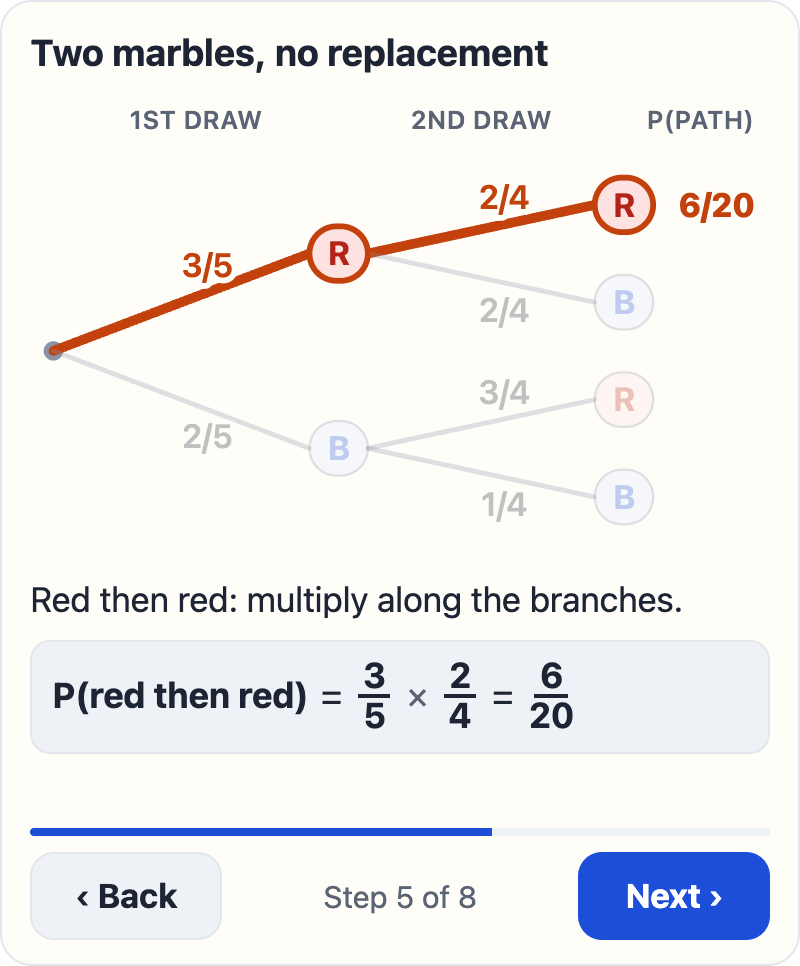
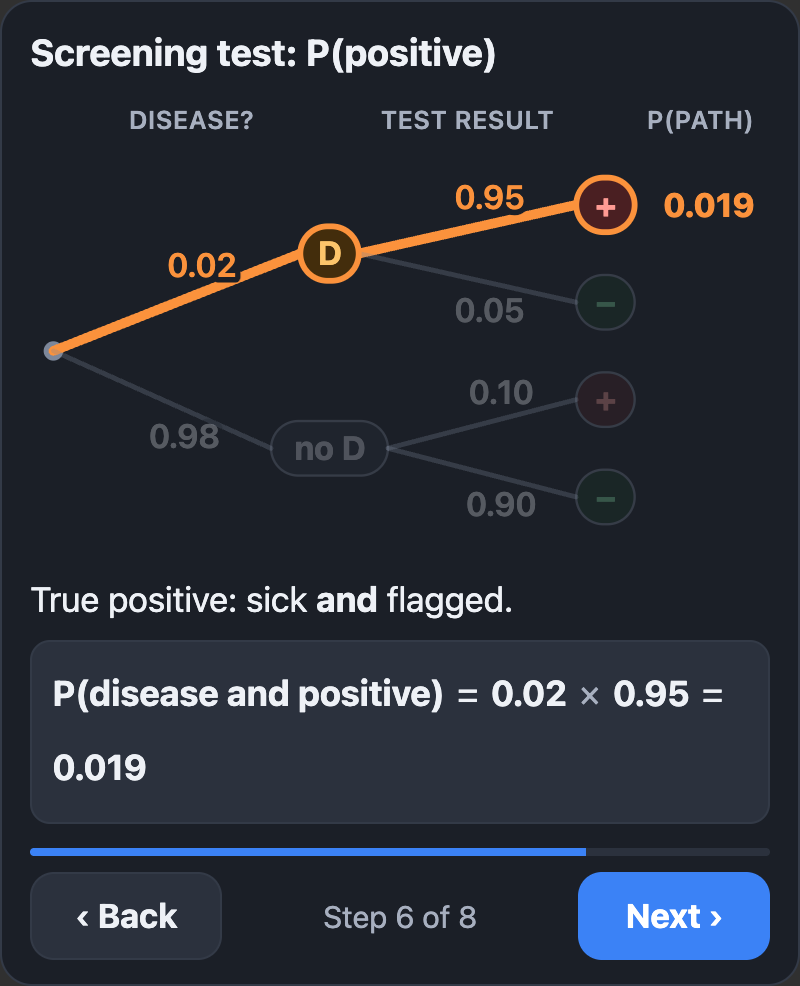
Students step through a solved problem one move at a time. Each branch of a probability tree lights up as it is used, and the arithmetic appears beside it, so the reasoning unfolds at the student’s own pace.
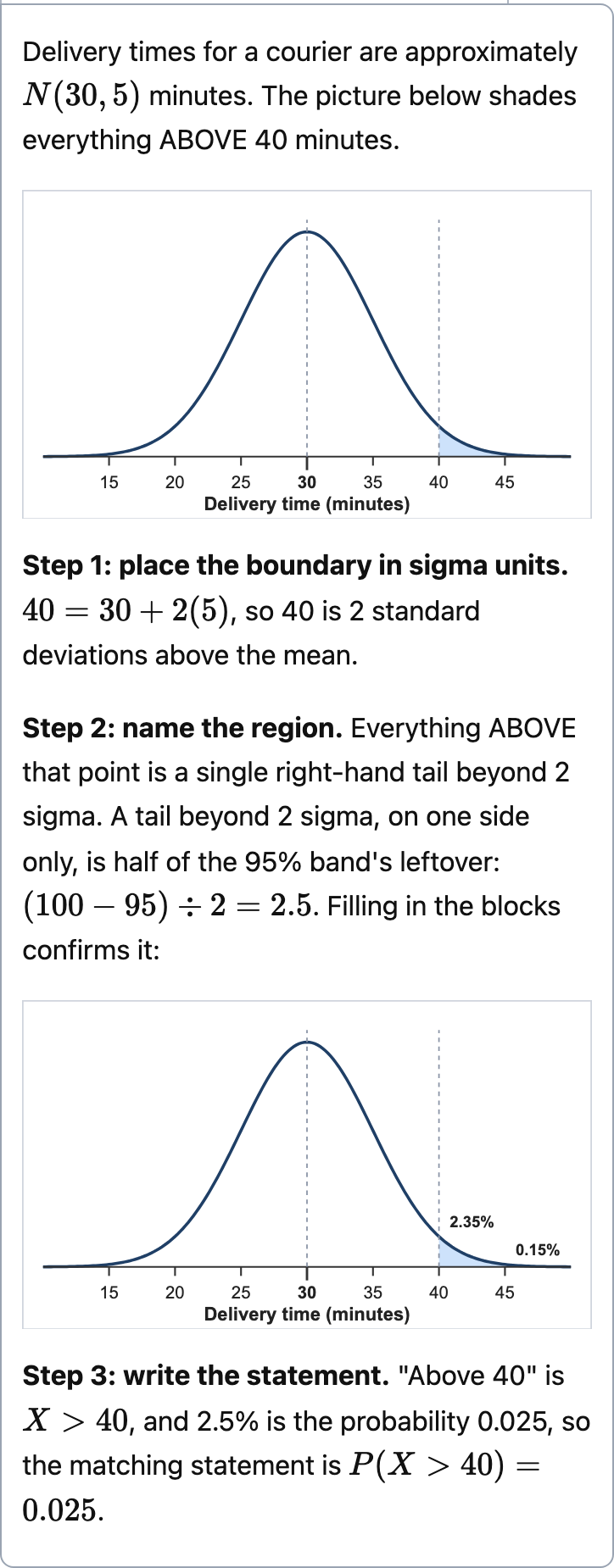
Worked examples build the picture one step at a time, and every question carries a ladder of hints that use that problem’s own numbers. The last hint shows the final step.
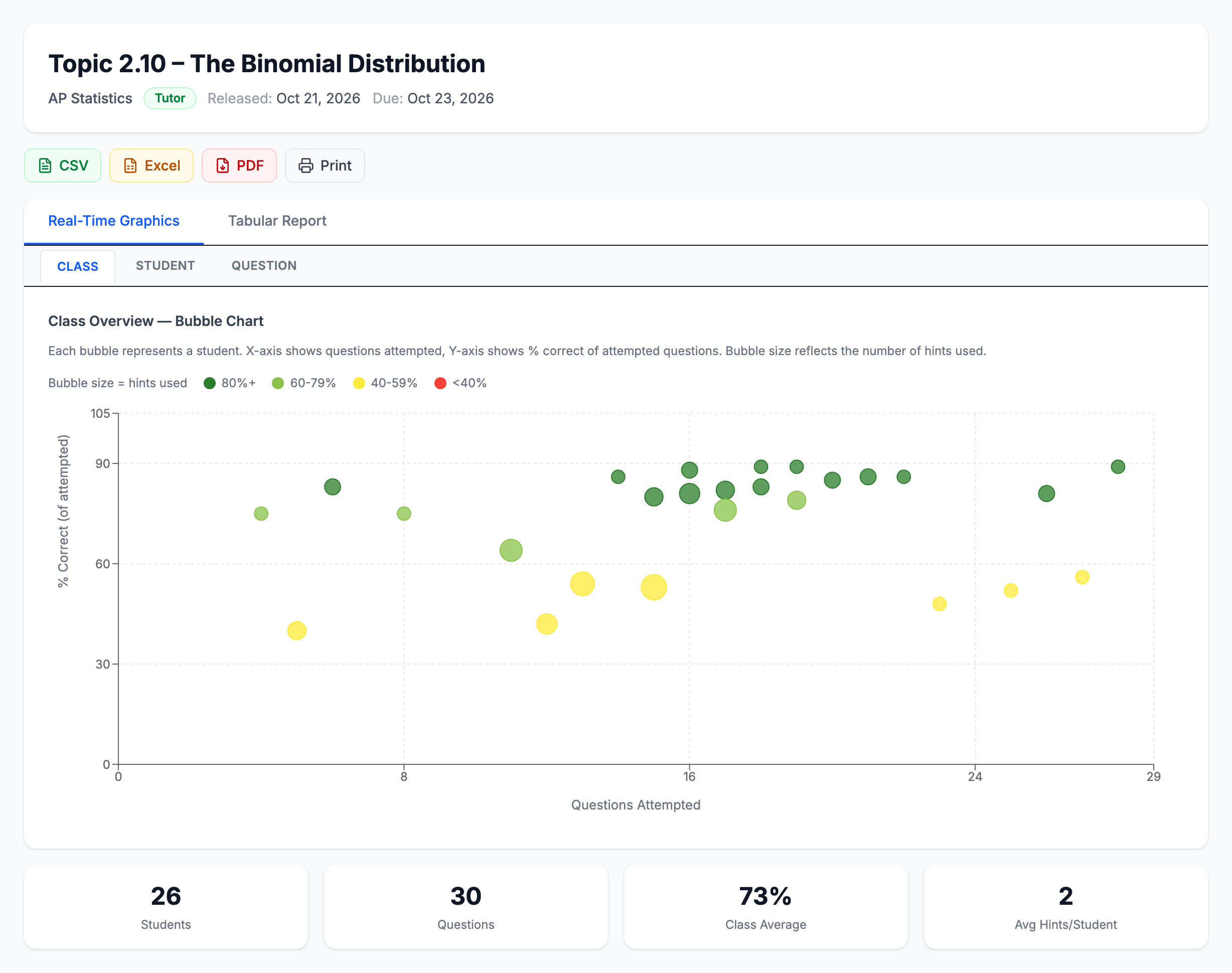
Every bubble is a student, placed by how many questions they have attempted and how accurate they are, and sized by the hints they used. As the class works, teachers see at a glance who is flying, who is guessing and who needs help.
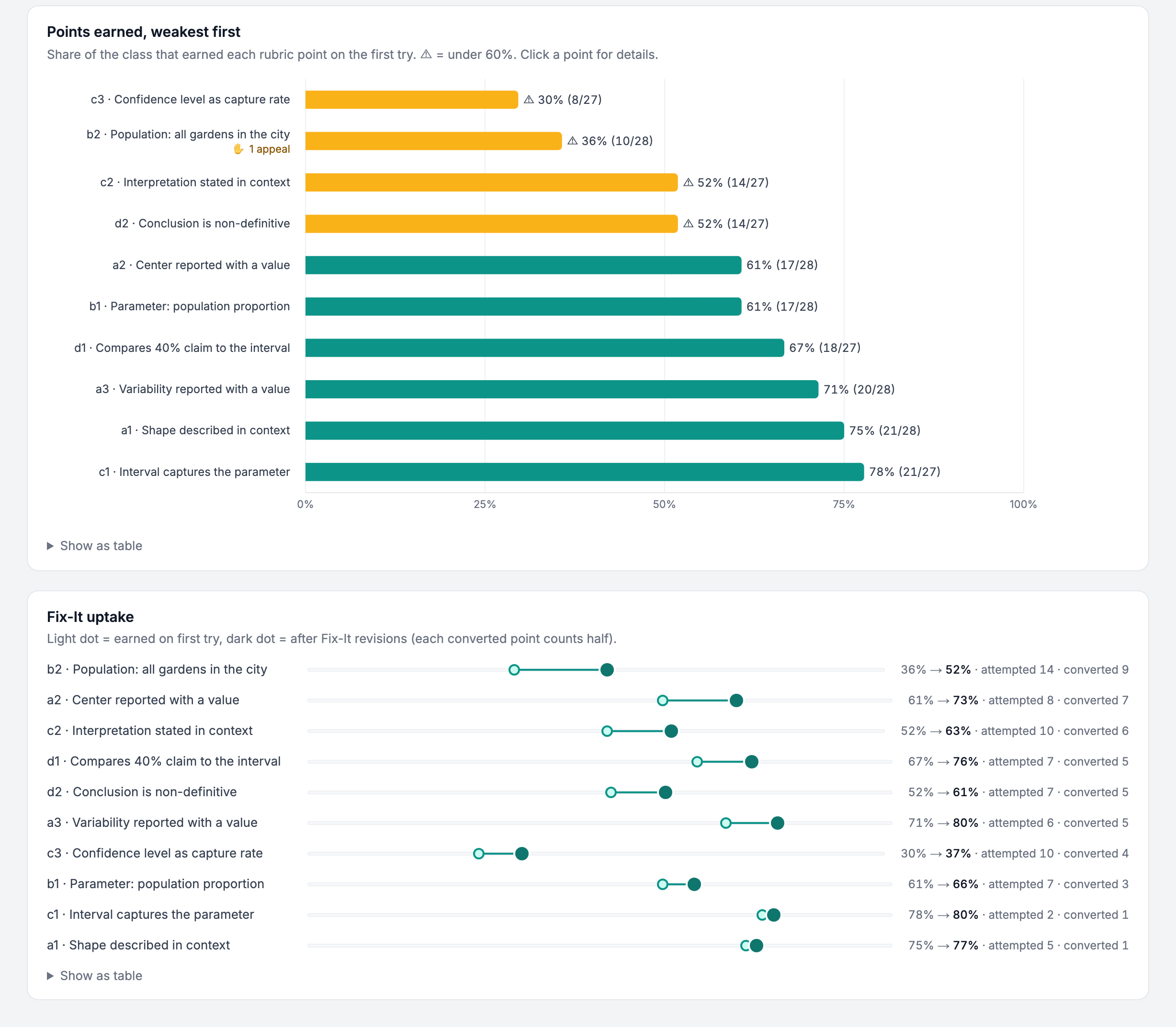
For AP-style free-response questions, teachers see which rubric points the class earns on the first try, weakest first, and how much students recover after revising their work. Every point is a window into how students reason with statistics.
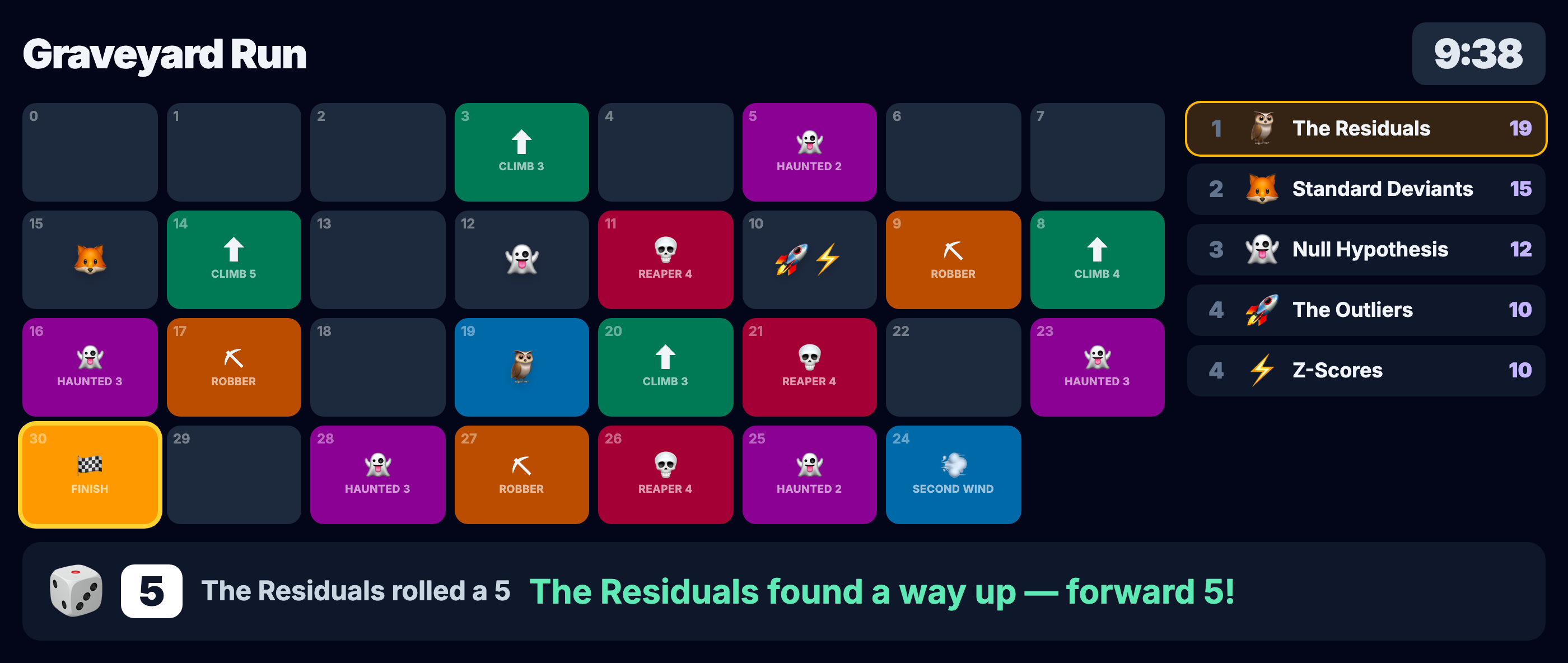
Team games put the whole class on one shared board. A team moves forward only when its members answer correctly, so students explain, argue and check each other’s reasoning. We use these games to study how students collaborate on statistics.
We pursue many strands at once — each grounded in a platform that runs in real classrooms every day.
Running live, whole-class lessons: pacing, checkpoints and the flow of a class period.
Showing teachers, in the moment, where a class is stuck and who needs help.
Integrating interactive applets and short videos into the flow of instruction.
How teachers choose what reaches students, and when, with the teacher always in charge.
Whole-class team games and paired problem-solving built on practice questions.
Modeling skill growth from every answer, hint and attempt.
Immediate feedback, tiered hints and carefully engineered answer formats.
Simulation-based reasoning about chance, variation and inference.
Bringing earlier ideas back at the right moment so they stick.
Rubric-based feedback on free-response statistics answers, with the teacher reviewing.
Multi-agent workflows that draft, review and quality-check instruction.
Model Context Protocol tools that give AI agents safe, structured access to curriculum and data.
Teachers and AI agents co-designing lessons, with the teacher in charge.
Independent multi-model review of instructional content before it reaches students.
Keeping student identities out of AI features by design.
$3.4 million+ across four NSF awards (PI or Co-PI).
National STEM Digital Library (NSDL)
Boston Public Schools
ITEST / Discovery Research K-12
Tufts University
STEM + Computing (STEM+C)
Concord Consortium
CyberTraining
Clarkson University
Amazon Web Services previously supported this project with donated server and database resources.
We welcome research collaborators, districts and reviewers interested in statistics education, formative assessment and human–AI collaboration.
Get in touch